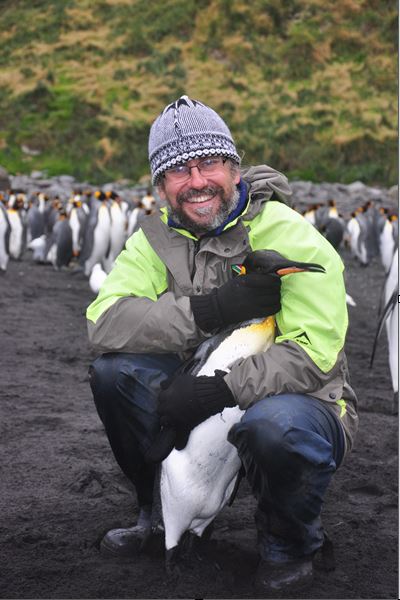
Full Professor in evolutionary, population and environmental biology. Research on seabird movement, migration, fisheries interactions and the functioning and conservation of marine ecosystems.
Jacob González-SolísFull Professor · University of Barcelona
I am a full professor and head of the Seabird Ecology Lab at the University of Barcelona. My work has developed from behavioural ecology and seabird movement to broader questions on migration, marine ecosystems, fisheries interactions and conservation.
My research aims to understand the key processes driving the spatial and temporal dynamics of animal populations, with particular emphasis on movement and anthropogenic drivers. We combine field studies with biologging, environmental information, stable isotopes, molecular and physiological approaches, and spatial modelling.
Long-term studies are central to our work. We have monitored several study systems for more than 20 years and collaborate with research groups and conservation organisations across Europe, Africa, the Atlantic islands and polar regions.
Tracking, behavioural segmentation, migration, individual specialisation, connectivity and the ecological consequences of animal movement.
02
Conservation Biology
Marine protected areas, seabird-fisheries interactions, bycatch, spatial risk and the conservation consequences of human activity at sea.
03
Symbiotic Interactions
Ecological and evolutionary consequences of persistent associations among organisms and their links to host ecology.
04
Marine Environmental Chemistry
Contaminants, stable isotopes and seabirds as sentinels of environmental variability and anthropogenic change.
Scientific approach
From individual movement to ecosystem-level inference
The lab integrates biologging, fisheries information, environmental observations and ecological modelling to understand where marine animals go, why they use particular oceanographic features, how human activities alter those patterns, and how movement data can inform conservation.
Research portfolio
Projects
2024–2028
ICREA Academia
Funded by Catalan Institution for Research and Advanced Studies (ICREA).
Ampliación de las áreas marinas protegidas en base a la identificación de Áreas Clave para la Biodiversidad fundamentadas en el seguimiento remoto de las aves marinas. Funded by Programa Pleamar, Fundación Biodiversidad.
"Ecological meaning of individual consistency in migratory and feeding estrategies." Ph.D. grant 2016. Ministerio de Educación, Cultura y Deporte. Spain. Supervised by Jacob González-Solís
"Consistency in the spatial movements of seabirds in a variable environment" Ph.D. grant 2010. Ministerio de Educación, Cultura y Deporte. Spain. Supervised by Jacob González-Solís.
"Trophic, migratory and population ecology of Bulwer's Petrel (Bulweria bulwerii) in the Atlantic Ocean." Ph.D. grant 2015. Universitat de Barcelona. Spain. Supervised by Jacob González-Solís and Raül Ramos
"Metapopulation approaches to migration and foraging strategies in pelagic seabirds". Ph.D. grant 2015. Ministerio de Economia y Competitividad. Supervised by Jacob González-Solís and Raül Ramos
"Movement ecology in pelagic seabirds." Ph.D. grant 2012. Universitat de Barcelona. Spain. Supervised by Jacob González-Solís and Frederic Bartumeus (CEAB-CSIC).
"Sexual differences in migration and foraging strategies of seabirds." Ph.D. grant 2013. Fundação CAPES. Brasil. Supervised by Jacob González-Solís & Raül Ramos.
"Assessing and mitigating bycatch in the artisanal longline fisheries of the Mediterranean". Ph.D. degree in February 2018. Supervised by Jacob González-Solís (Universitat de Barcelona)
"Population ecology and movements of Audouin's gulls and tropicbirds in Western Africa". University of Dakar, Senegal. Supervised by Professor Cheikh Tidiane Ba (Dakar University) and Jacob González-Solís
"Understanding migration of pelagic seabird with stable isotopes and geolocation." Ph.D. degree in October 2016. Supervised by Jacob González-Solís (Universitat de Barcelona)
"Diversity, ecology an evolution of feather mites in seabirds." Ph.D. degree in December 2016. Supervised by Jacob González-Solís (Universitat de Barcelona) Karen McCoy (MIVEGEC, CNRS-IRD-UM) and Elena Gómez-Díaz (EBD, CSIC)
"Genetic structure of the Cory’s shearwater (Calonectris diomedea) populations and their ectoparasites." Ph.D. degree in september 2007. Supervised by Jacob González-Solís & Miguel Angel Peinado
"Tracing bird ecology through feathers: ecological applications of intrinsic markers." Ph.D. degree in December 2009. Supervised by Jacob González-Solís & Lluis Jover (Universitat de Barcelona)
"Linking ecology with environmental chemistry: pelagic seabirds as indicators of marine contamination." Ph.D grant 2004. Generalitat de Catalunya. Spain. Supervised by Jacob Gonzalez-Solis & Begoña Jimenez
"The adaptive meaning of sex ratio in the common tern." Ph.D. grant 2003. Generalitat de Catalunya. Spain. Supervised by Jacob González-Solís & Peter H. Becker.
All publications in this website. The 10 most recent papers are labelled by first author and year; selecting any node also labels its directly related papers. DOI-indexed papers are connected by direct citations and node size reflects citation count reported by OpenAlex.
Loading citation relationships…
Select a publicationClick a node to see its details and highlight directly related publications.
The study develops a large-scale avian sensitivity assessment for offshore wind-energy planning, integrating species vulnerability to collision and displacement with spatial information on bird distributions and conservation importance. The resulting sensitivity maps are intended to support strategic siting of offshore wind development while identifying areas where impacts on vulnerable bird populations should be avoided or carefully mitigated.
230
Highly mobile seabirds reveal areas of conservation importance across the Atlantic Ocean. Conservation Letters. In Press. 2026
Tracking data from more than 13,000 individuals representing 44 seabird species were used to map important areas across the Atlantic Ocean and adjacent seas throughout the year. High Seas areas were found to be as important as national waters but less protected. Existing Atlantic MPAs encompass under 14% of tracked species density, while strategic expansion to 30% of the ocean could protect up to two thirds of this density.
A new subspecies of Cape Verde Storm Petrel, previously considered endemic to the Cape Verde Islands, is described from São Tomé Island in the Gulf of Guinea. The paper documents the taxonomic evidence supporting recognition of the São Tomé population and expands the known geographic and evolutionary diversity of \Hydrobates jabejabe\.
Investigating high pathogenicity avian influenza virus incursions to remote islands: detection of H5N1 on Gough Island in the South Atlantic Ocean. Emerging Microbes & Infections 15(1):2627076. 2026
HPAIV H5N1 clade 2.3.4.4b was detected in three Tristan skuas on remote Gough Island. By combining viral genomic analyses with year-round tracking, the authors evaluated possible incursion routes. Although movement patterns suggested southern Africa as a likely pathway, the Gough strain was more closely related to virus detected in South Georgia, indicating infection may have occurred during pre-laying movements. The study stresses continued surveillance and biosecurity for remote seabird populations.
Seamounts can concentrate biological productivity and marine megafauna, but the mechanisms determining which seamounts become hotspots remain poorly resolved. Using Cabo Verde and the Azores as case studies, the article outlines how tracking, environmental, fisheries and physical seamount data can be integrated to identify drivers of attraction and inform marine conservation. It proposes six research priorities for linking seamount hydrodynamics with predator distributions.
The study evaluates land-based threats affecting Atlantic pelagic seabirds during breeding, combining expert knowledge and a literature review across 49 species and 38 Large Marine Ecosystems. It identifies invasive alien species, disease, light pollution and other pressures, and highlights priority regions where targeted management could generate the largest conservation gains, especially Tristan da Cunha, Gough Island and islands of the Canary Current.
Plastic ingestion by Cory’s and Scopoli’s shearwaters (\Calonectris spp.\) from the north-eastern Atlantic Ocean and Mediterranean Sea. Marine Pollution Bulletin 223:119008. 2026
Plastic ingestion was assessed in 529 Cory’s and Scopoli’s shearwaters collected across the north-eastern Atlantic and Mediterranean. Birds from Mediterranean sites generally contained more plastic, and fledglings carried higher loads than older birds. The authors argue that ingested plastic mass is a more ecologically meaningful monitoring metric than particle counts and propose mass-based threshold values for regional pollution assessment.
Developing robust strategies for human–wildlife coexistence is hampered by our limited understanding of how humans impact animal space use. It is challenging to measure the relative effects of landscape modification and human mobility on wildlife, since these factors are typically confounded. The extreme change in human mobility levels that occurred during COVID-19 lockdowns provided an opportunity to disentangle these impacts. Many gull species are considered urban adapters, capable of roosting, foraging and breeding near humans in highly modified environments. We predicted that lockdown-induced changes in human mobility would affect gulls’ selection for urban and beach habitats because of altered disturbance levels and food availability. We analysed GPS tracking data from 113 individual gulls over multiple years (2015–2022), across three species in western Europe (herring gull Larus argentatus, lesser black-backed gull L. fuscus and yellow-legged gull L. michahellis). We found that, during lockdowns, selection for urban areas increased in two of ten colonies and selection for beaches increased in one colony and decreased in two others. This heterogeneous pattern likely reflects differences in how gull populations respond to opportunities and challenges presented by human-modified landscapes. Understanding this context dependence is emerging as a priority for coordinated efforts to promote sustainable human–wildlife coexistence.
Seamounts of Cabo Verde: a review of their ecological and economic significance, anthropogenic impacts, and conservation needs. Progress in Oceanography 240:103579. 2026
The deep-sea areas of the Cabo Verde Archipelago remain largely unexplored, with seamounts standing out as the most prominent and abundant geomorphological features. The ecological significance of these underwater structures is welldocumented in various regions of the planet, as they often serve as biodiversity hotspots, stepping stones for species connectivity and, in some cases, areas with high levels of endemism. However, the biology and ecology of the seamounts around Cabo Verde are still largely unknown. Preliminary studies of the geomorphology, oceanographic characteristics and ecology of specific features suggest that the Cabo Verde seamount network — comprising 14 known conspicuous seamounts as well as smaller elevations less than 1000 m — harbours high biological diversity. That biodiversity associated with the Cabo Verde seamounts spans a wide range of forms, from microscopic organisms to cetaceans, encompassing both pelagic and benthic communities. Commercial activities associated with seamounts, in particular fishing, are a critical aspect to consider for ecosystem management. Evaluating their current uses, future prospects, and the existing and potential threats the Cabo Verde seamounts face is essential for effective and sustainable marine spatial planning. This study reviews and synthesises the current knowledge on the Cabo Verde seamounts within its Exclusive Economic Zone (EEZ), focusing on their environmental and biological aspects, including geology, oceanography, and associated biological communities. Key topics include primary production, zooplankton communities, benthic organisms, large vertebrates such as elasmobranchs, marine turtles, cetaceans, and seabirds, as well as microbes and trophic linkages. Additionally, this review explores the socio-economic dimensions linked to seamounts, highlighting their importance to the local economy and emphasizing the need for effective marine spatial management plans. These considerations are crucial for balancing conservation efforts with sustainable use, ensuring the long-term health of these vital underwater ecosystems.
Fisheries have been recognised as a significant global threat to seabird populations through overfishing and bycatch. Yet, seabird–fishing interactions remain understudied in West African waters despite rich seabird biodiversity and intensive fishing activity occurring in the region. Using high-resolution tracking data of seabirds and fishing and nonfishing vessels, we investigated the dynamics of interactions between nine seabird species and industrial fisheries in Northwest African waters. We also assessed the underlying factors (seabird breeding status; fishing vessel density, gear type, length and operational status; and environmental features) influencing seabird–fishing interactions. Furthermore, we pinpointed the relevant political stakeholders in such seabird–fishing interactions by identifying the type of fisheries, vessel nation flags and maritime zones involved. We found that, for each species, more than 70% of individuals encountered vessels within 30 km, with most of these encounters involving nonfishing vessels. However, Cape Verde shearwaters (Calonectris edwardsii), to a lesser extent, Cory's shearwaters (Calonectris borealis) and Audouin's gulls (Ichthyaetus audouinii) frequently approached fishing vessels within 1.5 km, exhibiting clear attending behaviour. Specifically, 66% of Cape Verde shearwaters, 27% of Cory's shearwaters and 50% of Audouin's gulls showed this close-range association with fishing vessels. The probability of a seabird attending a fishing vessel was influenced by specific vessel features and environmental conditions (i.e. large vessels near the coast). Furthermore, we identified a range of flags within national waters, showing that nearly 20% of the interactions involved foreign-flagged fishing vessels from Europe, Africa, Asia and Central America. Policy implications. This study provides guidance for seabird conservation by identifying high-risk bycatch species and priority fishing fleets where mitigation should be targeted. It also demonstrates the potential of environmental variables to predict seabird–fishing interactions and underscores the political responsibilities essential for effective management in Northwest African waters.
Pervasive and recurrent hybridisation prevents inbreeding in Europe’s most threatened seabird. Proceedings of the National Academy of Sciences 122, e2427223122. 2025
Izquierdo-Arànega, G., C. Cuevas-Caballé, F. Giannelli, J.R. Paris, K. Bourgeois, E. Trucchi, J. González-Solís, M. Riutort, J. Ferrer Obiol & J. Rozas
Hybridization is a double-edged sword: While it can erode distinct evolutionary lineages, it can also introduce genetic diversity and adaptive potential into dwindling populations. In the Critically Endangered Balearic shearwater (Puffinus mauretanicus), this dilemma is exacerbated by a limited understanding of the extent and consequences of hybridization with the Yelkouan shearwater (Puffinus yelkouan). This knowledge gap has limited the scope of science-based conservation strategies to avoid the Balearic shearwater’s imminent extinction. Here, we investigate shearwater hybridization dynamics and their effect on genome-wide diversity in the Balearic shearwater. Divergence dating, demographic modeling, and admixture analyses suggest that these two poorly differentiated shearwater lineages have experienced recurrent episodes of divergence and widespread hybridization during glacial cycles. Selection scans reveal a 500 kb region hosting an adaptive haplotype that potentially underpins interspecific differences in migratory behavior and which has been repeatedly introgressed between the two taxa. Moreover, we show that interspecific gene flow has prevented increases in homozygosity and genetic load, and through forward simulations, we illustrate how it can buffer the negative effects of future population bottlenecks in the Balearic shearwater. Our findings illustrate how introgression can be crucial for maintaining genetic diversity in threatened taxa and highlight the need for considering the protection of hybridization in conservation plans.
Route flexibility is associated with headwind minimization in a long-distance migratory seabird. Proceedings of the Royal Society of London B 292.2044: 20242522. 2025
Seasonal migration has evolved across taxa and encompasses a multitude of features, many of which vary between species, between and within populations, and even within individuals. One feature of migration that appears especially variable within individuals is the route taken to reach a destination, even when the destination itself is not variable at this level. To investigate why, we analysed the geolocator tracks describing 192 post-breeding migratory journeys of 84 common terns (Sterna hirundo), as well as 149 pre-breeding migratory journeys of 75 of these birds. We found little within-individual spatial consistency in migration routes across years, irrespective of season or sex. Instead, individuals departing during the same time window took similar migration routes, which, during pre-breeding migration, when birds predominantly encountered headwinds, were associated with minimized headwind exposure. We therefore suggest that the individual routes of this long-distance migratory seabird can be flexibly adjusted to environmental variation, which is likely to be adaptive.
Genomic introgression and adaptation of southern seabird species facilitate recent polar colonization. Molecular Biology and Evolution 42: msaf053 2025
Genomic adaptation and introgression can occur during the speciation process, enabling species to diverge in their frequencies of adaptive alleles or acquire new alleles that may promote adaptation to environmental changes. There is limited information on introgression in organisms from extreme environments and their responses to climate change. To address these questions, we focused on the 3 southern skua species, selected for their widespread distribution across the Southern Hemisphere and their complex history of speciation and introgression events. Our genomic data reveal that these skuas underwent diversification around the Penultimate Glacial Period, followed by subsequent demographic expansion. We identified a geographic region of introgression among species that followed a directional pattern sourced from the Antarctic continent, South America, and east to west in subantarctic islands, all converging towards the Antarctic Peninsula. The 3 skua species and admixed individuals exhibited a unique pattern of putative genes under selection, allowing adaptation to extreme conditions. Individuals with a higher proportion of Brown Skua ancestry showed signs of selection on genes related to reproductive isolation, while admixed individuals with a higher proportion of South Polar Skua ancestry displayed patterns resembling those of the South Polar Skua. Introgression may be a key mechanism of adaptation for many species that may help buffer against the ongoing climate change.
Migratory connectivity and non-breeding habitat segregation across biogeographical scales in three closely related seabird taxa. Diversity and Distributions 31: e70013 2025
In highly mobile species, Migratory Connectivity (MC) has relevant consequences in population dynamics, genetic mixing, conservation and management. Additionally, in colonially breeding species, the maintenance of the breeding geographical structure during the non-breeding period, that is, a strong MC, can promote isolation and population divergence, which ultimately can affect the process of lineage sorting. In geographically structured populations, studying the MC and differences in environmental preferences among colonies, populations, or taxa can improve our understanding of the ecological divergence among them. We investigated the MC and non-breeding ecological niche of three seabird taxa from the genus Calonectris (n = 805 individuals). Using 1346 year-round trips from 34 different breeding colonies, we assess the level (from taxa to colony) at which MC and non-breeding spatial and environmental segregation emerge. At a taxon level, we found a clear difference in the non-breeding distributions between Cory's (C. borealis) and Scopoli's (C. diomedea) shearwaters, and a clear ecological divergence between Cory's and Cape Verde (C. edwardsii) shearwaters. At an intermediate aggregation level, we found that birds breeding in proximity had similar non-breeding habitat preferences, while birds breeding in very distant colonies (and therefore classified in different populations) had different non-breeding habitat preferences. Furthermore, within each taxon, we found more structure (i.e. stronger MC) and non-breeding divergence at an intermediate aggregation level than at the colony scale, where MC was weak. These results suggest that conspecifics from nearby colonies mix in common non-breeding areas, but not with birds from more distant colonies or different taxa. These results support the need for management and conservation strategies that take into account this structure when dealing with migratory species with high connectivity.
To identify the broad-scale oceanic migration routes (‘marine flyways’) used by multiple pelagic, long-distance migratory seabirds based on a global compilation of tracking data. We collated a comprehensive global tracking dataset that included the migratory routes of 48 pelagic and long-distance migrating seabird species across the Atlantic, Indian, Pacific and Southern Oceans. We grouped individuals that followed similar routes, independent of species or timings of migration, using a dynamic time warping clustering approach. We visualised the routes of each cluster using a line density analysis and used knowledge of seabird spatial ecology to combine the clusters to identify the broad-scale flyways followed by most pelagic migratory seabirds tracked to-date at an ocean-basin scale. Six marine flyways were identified across the world's oceans: the Atlantic Ocean Flyway, North Indian Ocean Flyway, East Indian Ocean Flyway, West Pacific Ocean Flyway, Pacific Ocean Flyway and Southern Ocean Flyway. Generally, the flyways were used bidirectionally, and individuals either followed sections of a flyway, a complete flyway, or their movements linked two or more flyways. Transhemispheric figure-of-eight routes in the Atlantic and Pacific oceans, and a circumnavigation flyway in the Southern Ocean correspond with major wind-driven ocean currents.The marine flyways identified demonstrate that pelagic seabirds have similar and repeatable migration routes across ocean-basin scales. Our study highlights the need to account for connectivity in seabird conservation and provides a framework for international cooperation.
We use data collected by onboard observers to assess the bycatch and immediate mortality of sea turtles in the Canary Current Large Marine Ecosystem (CCLME) and adjoining areas from 2016 to 2021. First, a dataset including 698 sets by drifting longliners, 6300 tows by trawlers and 1029 sets by purse seiners was used to calculate the catch per unit of effort for each species and fleet. Second, effort data compiled by the International Commission for the Conservation of Atlantic Tunas (ICCAT) and Global Fishing Watch were used to escalate bycatch to the whole fleet. Third, we used post-release mortality rates from the literature to estimate the total number of turtles killed annually and provide a baseline to assess their potential demographic impact. Accordingly, the international fleet of longliners was estimated to cause the annual mortality of 6800 loggerhead turtles Caretta caretta (95% CI: 5825–7628), 740 olive ridley turtles Lepidochelys olivacea (95% CI: 560–926) and smaller numbers of hawksbill Eretmochelys imbricate and green turtles Chelonia mydas. Nothing is known about the post release mortality rate of leatherback turtles, but bycatch was estimated as 3529 leatherback turtles (95% CI: 2463–4889). Regarding bottom trawling, the whole fleet was estimated to case annually the death of 151 green turtles (95% CI: 67–191), 95 loggerhead turtles (95% CI:33–108) and 42 olive ridley turtles (95% CI: 23–87). Finally, purse seiners were estimated to cause negligible mortality to loggerhead and leatherback turtles, the only species bycaught by that fleet. Our study provides comprehensive and precise baseline data on sea turtle bycatch within the three main industrial fishing activities, crucial for understanding the demographic impacts on sea turtle populations. Moreover, it underscores the CCLME as a significant hotspot for marine megafauna bycatch.
The effect of seasonality on the foraging behavior and breeding success of a tropical marine top predator. Progress in Oceanography 231: 103413 2025
Saldanha, S., T.Militão, S.L.Cox, I.Llamas-Cano, H.A.Dinis, I.S.G.C. Gomes, A.Lopes, M. dos Santos, V.Brito, M.Hernández-Montero, J.González-Solís
In polar and temperate regions seasonality in environmental conditions is an important driver of animal phenology. In tropical systems, where the environment is relatively homogeneous year-round, the link between phenology and seasonality is weakened, and many species breed asynchronously or even year-round. This leads to the question of how these species adapt to seasonal changes, which remain present albeit to a lesser extent. To assess relationships between foraging plasticity and seasonal changes in oceanographic conditions and resource availability, we investigated the foraging ecology of the red-billed tropicbird (Phaethon aethereus), a poorly studied pantropical species that breeds year-round in Cabo Verde. From 2017 to 2022, we monitored tropicbird nests at three islands (Boavista, Sal and the Cima Islet) and GPS tracked 907 foraging trips from 329 adults to evaluate seasonality in nest occupancy, foraging patterns and efficiency, chick growth, chick and adult body condition, and breeding success, alongside links to seasonal changes in resource availability and environmental conditions. We found seasonal patterns in foraging behaviour, with individuals taking more distant and less sinuous foraging trips, using a larger core foraging area, spending more time foraging during twilight, and consuming more squid in the dry season (December-June), than in the wet season (July-November). Moreover, nest occupancy, chick body condition and breeding success were higher in the dry season. We suggest that the observed seasonal patterns are related to an increase in the availability of squid at the end of the dry season, and a decrease in the nest-site suitability and an increase in weather-related foraging costs in the wet season. Our results provide some of the first in-depth knowledge on the seasonal variation in foraging behaviour of a tropical seabird species, suggesting seasonality in tropical systems may be a stronger driver of the movements of top predators than previously thought.
20-Year study reveals decrease in per- and polyfluoroalkyl substances (PFAS) in a pelagic seabird from the Western Mediterranean. Environmental Pollution 362: 125025 2024
Despite the first ban on perfluorooctane sulfonic acid (PFOS) in 2009, it remains unclear whether Europe, a key regulator, has effectively reduced per- and polyfluoroalkyl substances (PFAS) in the environment over the past 20 years. This study investigates the levels and temporal trends of 19 PFAS compounds in the livers of 62 Scopoli's shearwaters (Calonectris diomedea) collected from the Mediterranean basin during 2003–2022. Over the past two decades, PFAS concentrations showed an overall significant decrease of 77%. PFOS was the most frequently and predominantly detected chemical in livers, closely followed by perfluorotridecanoic acid (PFTrDA) and perfluoroundecanoic acid (PFUnDA). However, the contribution of PFTrDA (32.4%) surpassed that of PFOS (30.3%) in 2009–2014, which can be attributed to its increased use as a substitute following the regulation on PFOS in 2009. Perfluoroalkyl carboxylic acids (PFCAs), along with PFOS, showed a general decline over the study periods, with the largest decrease occurring after 2015, corresponding to the regulations on PFCAs. An odd-numbered, long-chain PFCAs accumulation trend was observed in samples. Principal component analysis showed a shift from PFOS to PFCAs in Scopoli's shearwater PFAS patterns over 20 years. Our results offer valuable insights into the environmental behavior of PFAS, the complex interactions between regulations and compounds and their transfer to the marine ecosystems. Despite widespread declines, their persistent detection underscores the need for enhanced international cooperation efforts to comprehensively mitigate PFAS emissions, including those from developing regions and unregulated sources.
Life history, population dynamics and cat predation impact on an endemic gadfly petrel of Cabo Verde. Endangered Species Research 55: 187–203. 2024
González-Solís, J., J.L.Riera, H.A.Dinis, A. de Pina, T.Militão
Insular fauna often suffers significant predation from invasive mammals, yet robust evidence of their impact from rigorous demographic analysis remains scarce. We aimed to understand the life history and population dynamics of the elusive Cape Verde petrel Pterodroma feae, an endemic seabird of the Cabo Verde archipelago, which is severely predated by cats. We analysed capture-mark-recapture data from birds mist-netted in a courtship area in 2007-2021 and monitored their nests between 2012 and 2021 on Fogo Island. Across all islands where this species breeds, we recorded cat predation rates and made additional captures of petrels in courtship areas. Demographic analysis revealed an 8.8% annual population decline of Cape Verde petrels, primarily driven by a 14.7% surplus mortality among breeders from threats in breeding areas, likely tied to the annual cat predation rate of at least 4% observed in monitored nests. Immature males exhibited lower survival rates, likely due to their increased vulnerability while seeking initial nest sites. The limited connectivity detected among and within islands, along with strong nest-site and mate fidelity rates, highlight the urgency of preventing local extinctions, which would be challenging to reverse. This study emphasizes the unsustainability of cat predation rates and the insufficiency of enhancing breeding success to counter the population decline, and it provides compelling evidence of a concerning decline of the Cape Verde petrel, primarily attributable to cat predation. Moreover, it emphasizes the significance of long-term demographic studies to understand the impact of invasive species on endangered populations.
Foraging links population dynamics of consumers to fundamental drivers of primary production. These drivers may differ temporally and between habitats, so quantifying seasonal variation in habitat use is a necessary precursor to understanding many aspects of predator ecology, including phenology and sensitivity to climate change. Large Procellariiformes, including albatrosses, are hyper-mobile higher predators, capable of foraging 1000s of km from their breeding sites, most of which are on subantarctic islands. Potentially, this allows them to track macroscale resource waves and access the seasonal sea-ice zone (SIZ), where high prey abundance occurs in seasonal pulses. Here, we used individual movement data to quantify use of sea-ice habitats and test whether procellariiforms tracked seasonal drivers of primary production. Mean foraging latitudes of white-chinned petrels Procellaria aequinoctialis and black-browed Thalassarche melanophris, grey-headed T. chrysostoma and wandering albatrosses Diomedea exulans varied sinusoidally across the breeding season, presumably lagging sinusoidal variability in primary production with latitude . Northern and southern giant petrels (Macronectes halli and M. giganteus), and light-mantled albatrosses Phoebetria palpebrate, exhibited no strong seasonal latitudinal trend, but the latter two species spent ≥ 20% of their time in the SIZ during incubation and post-brood, prior to or simultaneously with the spring ice breakup. Southern giant petrels travelled 100s km into the pack ice, encountering sea-ice concentrations up to 100%, whereas light-mantled albatrosses remained almost exclusively in open water near the Marginal Ice Zone (MIZ). During most breeding stages, the remaining species spent <15% of their time in the SIZ, using it only 5-7 weeks after breakup and largely avoiding the MIZ. This is consistent with the hypotheses that sea ice presents albatrosses but not giant petrels with physical barriers to flight or foraging, and that open-water-affiliated species use the SIZ only after the primary production pulse caused by ice melt transfers to intermediate trophic levels. Based on these results, we hypothesise that the phenology and demography of many subantarctic-breeding albatrosses and large petrels is mechanistically linked to sea-ice dynamics. Antarctic sea ice declines predicted under climate change could therefore modulate and possibly exacerbate the already unsustainable anthropogenic impacts being experienced by these populations
Contrasting migratory ecology of two endangered and allochronic storm petrels breeding in the Mexican Pacific. Endangered Species Research 54: 331-339 2024
Migration is an essential life stage in many species, but is little known in some groups like storm-petrels. Considering that storm-petrels reside in non-breeding areas for over half of their lifespan, identifying those areas is a priority for conservation efforts. Townsend’s Hydrobates socorroensis and Ainley’s storm-petrels (H. cheimnomnestes) are 2 threatened sister species breeding allochronically in Guadalupe Island (Mexican Pacific), for which migratory patterns are unknown. In this article, we describe the non-breeding areas of these 2 species, assess artificial light events by the geolocators, and describe their daily activity patterns. We deployed geolocators from 2021 to 2023 and modelled their migratory routes using SGAT. We successfully tracked 7 Townsend’s and 4 Ainley’s storm-petrels over their non-breeding period. In the case of Townsend’s, birds travelled to the south of the Baja California Peninsula, but not in the case of Ainley’s storm-petrel, in which birds migrated toward Hawaii. Townsend’s spent most of the time in Mexican waters, while Ainley’s storm-petrel spent most time in high seas. Townsend's core areas have 16.1% of its core areas protected, whereas Ainley's storm-petrel has only 0.7% protected, and 0.8% of those areas recognized as KBAs. Further, our findings indicate that both species are mainly nocturnal, making them highly susceptible to the impacts of light pollution, and we detected 6 artificial light events. Our findings also support the hypothesis that divergence in the migration between allochronic populations could be a crucial factor in sympatric speciation, which seems likely in seasonal environments like the northern Pacific.
Use of bird-borne radar to examine shearwater interactions with legal and illegal fisheries. Conservation Biology e14224 2023
Navarro-Herrero, L., Saldanha, S., Militão, T., Vicente-Sastre, D., March, D., & González-Solís, J.
Seabirds interact with fishing vessels to consume fishing discards and baits, sometimes resulting in incidental capture (bycatch) and the death of the bird, which has clear conservation implications. To understand seabird–fishery interactions at large spatiotemporal scales, researchers are increasing their use of simultaneous seabird and fishing vessel tracking. However, vessel tracking data can contain gaps due to technical problems, illicit manipulation, or lack of adoption of tracking monitoring systems. These gaps might lead to underestimating the fishing effort and bycatch rates and jeopardize the effectiveness of marine conservation. We deployed bird-borne radar detector tags capable of recording radar signals from vessels. We placed tags on 88 shearwaters (Calonectris diomedea, Calonectris borealis, and Calonectris edwardsii) that forage in the northwestern Mediterranean Sea and the Canary Current Large Marine Ecosystem. We modeled vessel radar detections registered by the tags in relation to gridded automatic identification system (AIS) vessel tracking data to examine the spatiotemporal dynamics of seabird–vessel interactions and identify unreported fishing activity areas. Our models showed a moderate fit (area under the curve >0.7) to vessel tracking data, indicating a strong association of shearwaters to fishing vessels in major fishing grounds. Although in high-marine-traffic regions, radar detections were also driven by nonfishing vessels. The tags registered the presence of potential unregulated and unreported fishing vessels in West African waters, where merchant shipping is unusual but fishing activity is intense. Overall, bird-borne radar detectors showed areas and periods when the association of seabirds with legal and illegal fishing vessels was high. Bird-borne radar detectors could improve the focus of conservation efforts.
Plastic pollution is distributed patchily around the world’s oceans. Likewise, marine organisms that are vulnerable to plastic ingestion or entanglement have uneven distributions. Understanding where wildlife encounters plastic is crucial for targeting research and mitigation. Oceanic seabirds, particularly petrels, frequently ingest plastic, are highly threatened, and cover vast distances during foraging and migration. However, the spatial overlap between petrels and plastics is poorly understood. Here we combine marine plastic density estimates with individual movement data for 7137 birds of 77 petrel species to estimate relative exposure risk. We identify high exposure risk areas in the Mediterranean and Black seas, and the northeast Pacific, northwest Pacific, South Atlantic and southwest Indian oceans. Plastic exposure risk varies greatly among species and populations, and between breeding and non-breeding seasons. Exposure risk is disproportionately high for Threatened species. Outside the Mediterranean and Black seas, exposure risk is highest in the high seas and Exclusive Economic Zones (EEZs) of the USA, Japan, and the UK. Birds generally had higher plastic exposure risk outside the EEZ of the country where they breed. We identify conservation and research priorities, and highlight that international collaboration is key to addressing the impacts of marine plastic on wide-ranging species.

Animal behaviour on the move: the use of auxiliary information and semi-supervision to improve behavioural inferences from Hidden Markov Models applied to GPS tracking data-sets.
Movement Ecology 11: 41. 2023
State-space models, such as Hidden Markov Models (HMMs), are increasingly used to classify animal tracks into behavioural states. Typically, step length and turning angles of successive locations are used to infer where and when an animal is resting, foraging, or travelling. However, the accuracy of behavioural classifications is seldom validated, which may badly contaminate posterior analyses. In general, models appear to efficiently infer behaviour in species with discrete foraging and travelling areas, but classification is challenging for species foraging opportunistically across homogenous environments, such as tropical seas. Here, we use a subset of GPS loggers deployed simultaneously with wet-dry data from geolocators, activity measurements from accelerometers, and dive events from Time Depth Recorders (TDR), to improve the classification of HMMs of a large GPS tracking dataset (478 deployments) of red-billed tropicbirds (Phaethon aethereus), a poorly studied pantropical seabird. We classified a subset of fixes as either resting, foraging or travelling based on the three auxiliary sensors and evaluated the increase in overall accuracy, sensitivity (true positive rate), specificity (true negative rate) and precision (positive predictive value) of the models in relation to the increasing inclusion of fixes with known behaviours. We demonstrate that even with a small informed sub-dataset (representing only 9% of the full dataset), we can significantly improve the overall behavioural classification of these models, increasing model accuracy from 0.77 ± 0.01 to 0.85 ± 0.01 (mean ± sd). Despite overall improvements, the sensitivity and precision of foraging behaviour remained low (reaching 0.37 ± 0.06, and 0.06 ± 0.01, respectively). This study demonstrates that the use of a small subset of auxiliary data with known behaviours can both validate and notably improve behavioural classifications of state space models of opportunistic foragers. However, the improvement is state-dependant and caution should be taken when interpreting inferences of foraging behaviour from GPS data in species foraging on the go across homogenous environments.
Fisheries bycatch is a critical threat to sea turtle populations worldwide, particularly because turtles are vulnerable to multiple gear types. The Canary Current is an intensely fished region, yet there has been no demographic assessment integrating bycatch and population management information of the globally significant Cabo Verde loggerhead turtle (Caretta caretta) population. Using Boa Vista island (Eastern Cabo Verde) subpopulation data from capture-recapture and nest monitoring (2013-2019), we evaluated population viability and estimated regional bycatch rates (2016-2020) in longline, trawl, purse-seine, and artisanal fisheries. We further evaluated current nesting trends in the context of bycatch estimates, existing hatchery conservation measures, and environmental (net primary productivity) variability in turtle foraging grounds. We projected that current bycatch mortality rates would lead to the near extinction of the Boa Vista subpopulation. Bycatch reduction in longline fisheries and all fisheries combined would increase finite population growth rate by 1.76% and 1.95%, respectively. Hatchery conservation increased hatchling production and reduced extinction risk, but alone it could not achieve population growth. Short-term increases in nest counts (2013-2021), putatively driven by temporary increases in net primary productivity, may be masking ongoing long-term population declines. When fecundity was linked to net primary productivity, our hindcast models simultaneously predicted these opposing long-term and short-term trends. Consequently, our results showed conservation management must diversify from land-based management. The masking effect we found has broad-reaching implications for monitoring sea turtle populations worldwide, demonstrating the importance of directly estimating adult survival and that nest counts might inadequately reflect underlying population trends.
The richness and structure of symbiont assemblages are shaped by many factors acting at different spatial and temporal scales. Among them, host phylogeny and geographic distance play essential roles. To explore drivers of richness and structure of symbiont assemblages, feather mites and seabirds are an attractive model due to their peculiar traits. Feather mites are permanent ectosymbionts and considered highly host-specific with limited dispersal abilities. Seabirds harbour species-rich feather mite communities and their colonial breeding provides opportunities for symbionts to exploit several host species. To unravel the richness and test the influence of host phylogeny and geographic distance on mite communities, we collected feather mites from 11 seabird species breeding across the Atlantic Ocean and Mediterranean Sea. Using morphological criteria, we identified 33 mite species, of which 17 were new or recently described species. Based on community similarity analyses, mite communities were clearly structured by host genera, while the effect of geography within host genera or species was weak and sometimes negligible. We found a weak but significant effect of geographic distance on similarity patterns in mite communities for Cory’s shearwaters Calonectris borealis. Feather mite specificity mainly occurred at the host-genus rather than at host-species level, suggesting that previously inferred host species-specificity may have resulted from poorly sampling closely related host species. Overall, our results show that host phylogeny plays a greater role than geography in determining the composition and structure of mite assemblages and pinpoints the importance of sampling mites from closely-related host species before describing mite specificity patterns.
Species delimitation using genomic data to resolve taxonomic uncertainties in a speciation continuum of pelagic seabirds. Molecular Phylogenetics and Evolution 179, 107671. 2023
Speciation is a continuous and complex process shaped by the interaction of numerous evolutionary forces. Despite the continuous nature of the speciation process, the implementation of conservation policies relies on the delimitation of species and evolutionary significant units (ESUs). Puffinus shearwaters are globally distributed and threatened pelagic seabirds. Due to remarkable morphological status the group has been under intense taxonomic debate for the past three decades. Here, we use double digest Restriction-Site Associated DNA sequencing (ddRAD-Seq) to genotype species and subspecies of North Atlantic and Mediterranean Puffinus shearwaters across their entire geographical range. We assess the phylogenetic relationships and population structure among and within the group, evaluate species boundaries, and characterise the genomic landscape of divergence. We find that current taxonomies are not supported by genomic data and propose a more accurate taxonomy by integrating genomic information with other sources of evidence. Our results show that several taxon pairs are at different stages of a speciation continuum. Our study emphasises the potential of genomic data to resolve taxonomic uncertainties, which can help to focus management actions on relevant taxa, even if they do not necessarily coincide with the taxonomic rank of species.
Potential for redistribution of post-moult habitat for Eudyptes penguins in the Southern Ocean under future climate conditions. Global Change Biology 29:648–667. 2023
Anthropogenic climate change is resulting in spatial redistributions of many species. We assessed the potential effects of climate change on an abundant and widely distributed group of diving birds, Eudyptes penguins, which are the main avian consumers in the Southern Ocean in terms of biomass consumption. Despite their abundance, several of these species have undergone population declines over the past century, potentially due to changing oceanography and prey availability over the important winter months. We used light-based geolocation tracking data for 485 individuals deployed between 2006 and 2020 across 10 of the major breeding locations for five taxa of Eudyptes penguins. We used boosted regression tree modelling to quantify post-moult habitat preference for southern rockhopper (E. chrysocome), eastern rockhopper (E. filholi), northern rockhopper (E. moseleyi) and macaroni/royal (E. chrysolophus and E. schlegeli) penguins. We then modelled their redistribution under two climate change scenarios, representative concentration pathways RCP4.5 and RCP8.5 (for the end of the century, 2071–2100). As climate forcings differ regionally, we quantified redistribution in the Atlantic, Central Indian, East Indian, West Pacific and East Pacific regions. We found sea surface temperature and sea surface height to be the most important predictors of current habitat for these penguins; physical features that are changing rapidly in the Southern Ocean. Our results indicated that the less severe RCP4.5 would lead to less habitat loss than the more severe RCP8.5. The five taxa of penguin may experience a general poleward redistribution of their preferred habitat, but with contrasting effects in the (i) change in total area of preferred habitat under climate change (ii) according to geographic region and (iii) the species (macaroni/royal vs. rockhopper populations). Our results provide further understanding on the regional impacts and vulnerability of species to climate change.
Methods to detect spatial biases in tracking studies caused by differential representativeness of individuals, populations, and time. Diversity and Distributions 29, 19-38. 2023
Morera-Pujol, V., P.Catry, M.Magalhães, CV.Péron, J.M.Reyes-González, J.P.Granadeiro, T.Militão, M.P. Dias, D.Oro, G.Dell’Omo, M.Muller, V.H.Paiva, B.Metzger, V.Neves, J.Navarro, G.Karris, S.Xirouchakis, J.G.Cecere, A. Zamora-López, M.G.Forero, F.De Felipe, Z.Zajková, M.Cruz-Flores, D. Grémillet, J. González-Solís, R. Ramos
Over the last decades, the study of movement through tracking data has grown exceeding the expectations of movement ecologists. This has posed new challenges, specifically when using individual tracking data to infer higher-level distributions (e.g. population and species). Sources of variability such as individual site fidelity (ISF), environmental stochasticity over time, and space-use variability across species ranges must be considered, and their effects identified and corrected, to produce accurate estimates of spatial distribution using tracking data. We developed R functions to detect the effect of these sources of variability in the distribution of animal groups when inferred from individual tracking data. These procedures can be adapted for their use in most tracking datasets and tracking techniques. We demonstrated our procedures with simulated datasets and showed their applicability on a real-world dataset containing 1346 year-round migratory trips from 805 individuals of three closely related seabird species breeding in 34 colonies in the Mediterranean Sea and the Atlantic Ocean, spanning 10 years. We detected an effect of ISF in one of the colonies, but no effect of the environmental stochasticity on the distribution of birds for any of the species. We also identified among-colony variability in nonbreeding space use for one species, with significant effects of population size and longitude. This work provides a useful, much-needed tool for researchers using animal tracking data to model species distributions or establish conservation measures. This methodology may be applied in studies using individual tracking data to accurately infer the distribution of a population or species and support the delineation of important areas for conservation based on tracking data. This step, designed to precede any analysis, has become increasingly relevant with the proliferation of studies using large tracking datasets that has accompanied the globalization process in science driving collaborations and tracking data sharing initiatives.
Phenological divergence, population connectivity and adaptation-by-time in two allochronic seabird populations. Frontiers in Marine Science 2022
Medrano, F., T.Militão, I.Gomes, M.Sardá-Serra, M. de la Fuente, H.A.Dinis, J.González-Solís
Phenological divergence between conspecific populations breeding sympatrically is increasingly recognized as an important evolutionary process that may lead to allochronic speciation. However, the extent to which adaptation to differences in the timing of breeding may contribute to this process remains unclear. In this study, we assessed breeding phenology, population connectivity, and niche differentiation of two allochronic populations we of the Cape Verde Storm-petrel (Hydrobates jabejabe). We monitored nesting activity, marked individuals, tracked individuals during both the breeding and nonbreeding periods, and determined the trophic niche during both the breeding and nonbreeding periods. Timing of breeding for the two allochronic populations segregated into a hot (March-August) and cool (September-February) season (hereafter, hot and cool populations). These periods matched the two annual pulses of oceanic productivity around Cabo Verde, suggesting allochrony was primarily driven by a biannual cyclicity in food availability. Despite their allochronic breeding, there was, however, low differentiation between the hot and cool populations in spatial use, daily activity patterns, and trophic niche during both the breeding and nonbreeding periods. Further, the exchange of breeders between seasons, as documented through the recapture of marked individuals, may hinder seasonal adaptation by each population and ultimately, allochronic speciation. Consequently, allochrony alone may not be sufficient to drive speciation unless reproductive isolation between populations is complete or populations become strongly adapted to the environmental conditions associated with their timing of breeding.
Double-tagging scores of seabirds reveals that light-level geolocator accuracy is limited by species idiosyncrasies and equatorial solar profiles. Methods in Ecology and Evolution 12: 2243–2255. 2021
Halpin, L.R., J.D.Ross, R.Ramos, R.Mott, N.Carlile, N.Golding, J.M.Reyes-González, T.Militão, F. De Felipe, Z.Zajková, M.Cruz-Flores, S.Saldanha, V.Morera-Pujol, L.Navarro-Herrero, L.Zango, J.González-Solís, R.H.Clarke
Light-level geolocators are popular bio-logging tools, with advantageous sizes, longevity and affordability. Biologists tracking seabirds often presume geolocator spatial accuracies between 186 and 202 km from previously innovative, yet taxonomically, spatially and computationally limited, studies. Using recently developed methods, we investigated whether assumed uncertainty norms held across a larger-scale, multispecies study. We field-tested geolocator spatial accuracy by synchronously deploying these with GPS loggers on scores of seabirds across five species and 11 Mediterranean Sea, east Atlantic and south Pacific breeding colonies. We first interpolated geolocations using the geolocation package FLightR without prior knowledge of GPS tracked routes. We likewise applied another package, probGLS, additionally testing whether sea-surface temperatures could improve route accuracy. Geolocator spatial accuracy was lower than the ~200 km often assumed. probGLS produced the best accuracy (mean ± SD = 304 ± 413 km, n = 185 deployments) with 84.5% of GPS-derived latitudes and 88.8% of longitudes falling within resulting uncertainty estimates. FLightR produced lower spatial accuracy (408 ± 473 km, n = 171 deployments) with 38.6% of GPS-derived latitudes and 23.7% of longitudes within package-specific uncertainty estimates. Expected inter-twilight period (from GPS position and date) was the strongest predictor of accuracy, with increasingly equatorial solar profiles (i.e. closer temporally to equinoxes and/or spatially to the Equator) inducing more error. Individuals, species and geolocator model also significantly affected accuracy, while the impact of distance travelled between successive twilights depended on the geolocation package. Geolocation accuracy is not uniform among seabird species and can be considerably lower than assumed. Individual idiosyncrasies and spatiotemporal dynamics (i.e. shallower inter-twilight shifts by date and latitude) mean that practitioners should exercise greater caution in interpreting geolocator data and avoid universal uncertainty estimates. We provide a function capable of estimating relative accuracy of positions based on geolocator-observed inter-twilight period.
The summer distribution, habitat associations and abundance of seabirds in the sub-polar frontal zone of the Northwest Atlantic. Progress in Oceanography 198: 102675 2021
Wakefield, E.D., D.L.Miller, S.L.Bond, F. le Bouard, P.C.Carvalho, P.Catry, B.J.Dilley, D.A.Fifield, C.Gjerdrum, J.González-Solís, H.Hogan, V.Laptikhovsky, B.Merkel, J.A.O.Miller, P.I.Miller, S.J.Pinder, T.Pipa, P.M.Ryan, L.A.Thompson, P.M.Thompson and J.Matthiopoulos
Biological production in the oceanic zone (i.e. waters beyond the continental shelves) is typically spatially patchy and strongly seasonal. In response, seabirds have adapted to move rapidly within and between ocean basins, making them important pelagic consumers. Studies in the Pacific, Southern and Indian Oceans have shown that seabirds are relatively abundant in major frontal systems, with species composition varying by water mass. In contrast, surprisingly little was known about seabird distribution in the oceanic North Atlantic until recent tracking showed that relative abundance and diversity peak in the Sub-polar Frontal Zone, west of the Mid-Atlantic Ridge, now proposed as a Marine Protected Area. However, absolute seabird abundance, distribution, age and species composition, and their potential environmental drivers in the oceanic temperate NW Atlantic remain largely unknown. Consequently, we systematically surveyed seabirds and environmental conditions across this area by ship in June 2017, then modelled the density of common species as functions of environmental covariates, validating model predictions against independent tracking data. Medium-sized petrels (99.8%), especially Great Shearwaters (Ardenna gravis, 63%), accounted for the majority of total avian biomass, which correlated at the macroscale with net primary production and peaked at the sub-polar front. At the mesoscale, the density of each species was associated with sea surface temperature, indicating zonation by water mass. Most species also exhibited scale-dependent associations with eddies and fronts. Approximately 51, 26, 23, 7 and 1 % of the currently estimated Atlantic populations of Cory's Shearwaters (Calonectris borealis), Great Shearwaters, Sooty Shearwaters (A. grisea), Northern Fulmars (Fulmarus glacialis) and Leach’s Storm-petrels (Oceanodroma leucorhoa) occurred in the area during our survey, many of which were undergoing moult (a vital maintena nce activity). For some species, these estimates are higher than suggested by tracking, probably due to the presence of immatures and birds from untracked populations. Our results support the conclusion that MPA status is warranted and provide a baseline against which future changes can be assessed. Moreover, they indicate potential drivers of seabird abundance and diversity in the oceanic zone of the North Atlantic that should be investigated further.
The conservation of migratory marine species, including pelagic seabirds, is challenging because their movements span vast distances frequently beyond national jurisdictions. Here, we aim to identify important aggregations of seabirds in the North Atlantic to inform ongoing regional conservation efforts. Using tracking, phenology, and population data, we mapped the abundance and diversity of 21 seabird species. This revealed a major hotspot associated with a discrete area of the subpolar frontal zone, used annually by 2.9–5 million seabirds from =56 colonies in the Atlantic: the first time this magnitude of seabird concentrations has been documented in the high seas. The hotspot is temporally stable and amenable to site-based conservation and is under consideration as a marine protected area by the OSPAR Commission. Protection could help mitigate current and future threats facing species in the area. Overall, our approach provides an exemplar data-driven pathway for future conservation efforts on the high seas.
Integrating Sequence Capture and Restriction Site-Associated DNA Sequencing to Resolve Recent Radiations of Pelagic Seabirds. Systematic Biology 70: 976-996. 2021
The diversification of modern birds has been shaped by a number of radiations. Rapid diversification events make reconstructing the evolutionary relationships among taxa challenging due to the convoluted effects of incomplete lineage sorting (ILS) and introgression. Phylogenomic data sets have the potential to detect patterns of phylogenetic incongruence, and to address their causes. However, the footprints of ILS and introgression on sequence data can vary between different phylogenomic markers at different phylogenetic scales depending on factors such as their evolutionary rates or their selection pressures. We show that combining phylogenomic markers that evolve at different rates, such as paired-end double-digest restriction site-associated DNA (PE-ddRAD) and ultraconserved elements (UCEs), allows a comprehensive exploration of the causes of phylogenetic discordance associated with short internodes at different timescales. We used thousands of UCE and PE-ddRAD markers to produce the first well-resolved phylogeny of shearwaters, a group of medium-sized pelagic seabirds that are among the most phylogenetically controversial and endangered bird groups. We found that phylogenomic conflict was mainly derived from high levels of ILS due to rapid speciation events. We also documented a case of introgression, despite the high philopatry of shearwaters to their breeding sites, which typically limits gene flow. We integrated state-of-the-art concatenated and coalescent-based approaches to expand on previous comparisons of UCE and RAD-Seq data sets for phylogenetics, divergence time estimation, and inference of introgression, and we propose a strategy to optimize RAD-Seq data for phylogenetic analyses. Our results highlight the usefulness of combining phylogenomic markers evolving at different rates to understand the causes of phylogenetic discordance at different timescales.
Migratory marine species cross political borders and enter the high seas, where the lack of an effective global management framework for biodiversity leaves them vulnerable to threats. Here, we combine 10,108 tracks from 5775 individual birds at 87 sites with data on breeding population sizes to estimate the relative year-round importance of national jurisdictions and high seas areas for 39 species of albatrosses and large petrels. Populations from every country made extensive use of the high seas, indicating the stake each country has in the management of biodiversity in international waters. We quantified the links among national populations of these threatened seabirds and the regional fisheries management organizations (RFMOs) which regulate fishing in the high seas. This work makes explicit the relative responsibilities that each country and RFMO has for the management of shared biodiversity, providing invaluable information for the conservation and management of migratory species in the marine realm.
Sexual segregation in the foraging behaviour of a slightly dimorphic seabird: influence of the environment and fishery activity. Journal of Animal Ecology. 90: 1109-1121 2021
Reyes-González, J.M., F. De Felipe, V.Morera-Pujol, A.Soriano-Redondo, L.Navarro-Herrero, L.Zango, S.García-Barcelona, R.Ramos, J.González-Solís.
Sexual segregation in foraging strategies has been little studied in marine species with slight Sexual Size Dimorphism (SSD), particularly regarding the role of environmental conditions and fishery activities. Sexual differences in fishery attendance are of particular concern, since uneven mortality associated to bycatch may exacerbate impacts in wildlife populations. Using a seabird species with slight SSD, the Scopoli’s shearwater (Calonectris diomedea), we assessed sexual differences in foraging strategies, and evaluated whether annual environmental conditions and fishery activity shaped such differences. We compared a four-year dataset combining bird GPS tracking, stable isotope analysis, the North-Atlantic Oscilation index (NAO, as main proxy of the annual environmental conditions), and fishing vessel positioning data (Vessel Monitoring System, VMS) from the North-Western Mediterranean, a region under intense fishery pressure. From 2012 to 2015, we tracked 635 foraging trips from 78 individual.Females showed a greater foraging effort, a lower fishery attendance, a lower trophic level and a narrower isotopic niche width than males. Moreover, in years with unfavourable environmental conditions, both sexes showed a lower fishery attendance and increased foraging effort compared to the year with most favourable conditions. Our results revealed that environmental conditions influence space use, feeding resources and fishery attendance differently between males and females, overall suggesting competitive exclusion of females by males from main foraging areas and feeding resources, particularly in unfavourable environmental conditions. We highlight the importance of evaluating sexual segregation under disparate environmental conditions, particularly in species with slight SSD, since segregation may pass otherwise unnoticed if only years with similar environmental conditions are considered. The higher fishery attendance of males likely explains the male-biased bycatch ratio for this species. Thus, inter-sexual differences in foraging strategies can lead to an unbalanced exposure of each sex to relevant threats for the conservation of long-lived species.
Whole-genome sequencing projects are increasingly populating the tree of life and characterizing biodiversity. Sparse taxon sampling has previously been proposed to confound phylogenetic inference5, and captures only a fraction of the genomic diversity. Here we report a substantial step towards the dense representation of avian phylogenetic and molecular diversity, by analysing 363 genomes from 92.4% of bird families—including 267 newly sequenced genomes produced for phase II of the Bird 10,000 Genomes (B10K) Project. We use this comparative genome dataset in combination with a pipeline that leverages a reference-free whole-genome alignment to identify orthologous regions in greater numbers than has previously been possible and to recognize genomic novelties in particular bird lineages. The densely sampled alignment provides a single-base-pair map of selection, has more than doubled the fraction of bases that are confidently predicted to be under conservation and reveals extensive patterns of weak selection in predominantly non-coding DNA. Our results demonstrate that increasing the diversity of genomes used in comparative studies can reveal more shared and lineage-specific variation, and improve the investigation of genomic characteristics. We anticipate that this genomic resource will offer new perspectives on evolutionary processes in cross-species comparative analyses and assist in efforts to conserve species.
Environmental versus individual effects on trophic ecology: a 17-year isotopic study of a long-lived seabird. Ecological Indicators 111: 105963. 2020
Ramos, R., J.M.Reyes-González, V.Morera-Pujol, Z.Zajková, T.Militão, J.González-Solís
Despite its importance for ecology and conservation, we are still far from understanding how environmentalvariability interacts with intrinsic factors and individual specialization to determine trophic strategies of long-lived taxa, mostly due to difficulties in studying the same animals over extended periods. Here, by yearlyconsistently sampling thefirst primary feather of 99 Cory’s shearwaters (Calonectris borealis) foraging in the Canary Current (CC) upwelling ecosystem, we provide robust evidence on the individual changes of isotopicratios of carbon (δ13C) and nitrogen (δ15N) over 17 years. We reported a slight longitudinal decline of δ13C values throughout 2001–2017, even after being adjusted for the marine Suess effect (linked to the increasing CO2 emissions). Although CC is often considered to be overexploited by industrialfisheries, we could not detect adecline in Cory’s shearwater trophic level indicating a change in the trophic web structuring, as revealed by δ15N. We found negative correlations of δ13C and δ1515N with the CC upwelling intensity, indicating annualvariability in baseline isotopic levels propagates through the food chain and it integrates in predators’tissues.Low individual repeatabilities among years at population level indicates low long-term specialization, suggestinglong-lived individuals foraging on highly productive areas can adjust their foraging strategies and diet accordingto environmental variability. However, individual-level repeatabilities in isotopic values showed a range ofindividual specialization within the population, indicating most individuals are generalist and a few of themhighly specialized. First, although we found a clear influence of the upwelling intensity on the trophic ecology ofbirds, we could not detect any temporal trend in the trophic level of the Cory’s shearwater population, suggestinga stability in the structure of the pelagic food web of the CC over the last two decades despite thefishingpressure. Second, the existence of individual specialization highlights the importance of considering the repeatedsampling of individuals to detect small changes in the trophic ecology of a population. Finally, the coexistence ofindividuals with different degree of specialization (from extremely flexible [generalists] to highly consistent individuals [specialists] within a population can have deep implications on the capacity of populations to copewith environmental change.
Many generalist species are composed of individuals varying in the size of their realized niches within a population. To understand the underlying causes and implications of this phenomenon, repeated samplings on the same individuals subjected to different environmental conditions are needed. Here, we studied individual specialization of feeding strategies in breeding and nonbreeding grounds of Cory’s shearwaters (Calonectris borealis) for 2–8 years, and its relationship with fitness. Individuals were relatively flexible in nonbreeding destinations, but specialized in diet, habitat use and daily activity across years. Daily activity was also consistent throughout the year for the same individual, suggesting that it is driven by individual constraints, whereas individual diet and habitat use changed between breeding and non-breeding grounds, indicating that these specializations may be learned at each area. Moreover, individuals that were intermediate specialized in their diet tended to show higher breeding success than those with weakly and highly specialized diets, suggesting stabilizing selection. Overall, this study suggests that the development of individual specialization is more flexible than previously thought, i.e. it emerges under specific environmental conditions and can develop differently when environmental conditions vary. However, once established, individual specialization may compromise the ability of individuals to cope with environmental stochasticity.
Do humans spread zoonotic enteric bacteria in Antarctica? Science of the Total Environment 654:190-196. 2019
Cerdà-Cuéllar, M.; E.Moré, T.Ayats, M.Aguilera, S.Muñoz, V.Aragón, P.G.Ryan, J.González-Solís
Reports of enteric bacteria in Antarctic wildlife have suggested its spread from people to seabirds and seals, but evidence is scarce and fragmentary. We investigated the occurrence of zoonotic enteric bacteria in seabirds across the Antarctic and subantarctic region; for comparison purposes, in addition to seabirds, poultry in a subantarctic island was also sampled. Three findings suggest reverse zoonosis from humans to seabirds: the detection of a zoonotic Salmonella serovar (ser. Enteritidis) and Campylobacter species (e.g. C. jejuni), typical of human infections; the resistance of C. lari isolates to ciprofloxacin and enrofloxacin, antibiotics commonly used in human and veterinary medicine; and most importantly, the presence of C. jejuni genotypes mostly found in humans and domestic animals but rarely or never found in wild birds so far. We also show further spread of zoonotic agents among Antarctic wildlife is facilitated by substantial connectivity among populations of opportunistic seabirds, notably skuas (Stercorarius). Our results highlight the need for even stricter biosecurity measures to limit human impacts in Antarctica.
Costs of breeding are rapidly buffered and do not affect migratory behaviour in a long-lived bird species. Ecology. 99: 2010-2024. 2018
Ramos, R., V. Llabrés, L. Monclús, M. López-Béjar, J.González-Solís
Life history theory states that individual fitness in one stage of life is conditioned by what occurred in previous stages. In migratory species, reproductive effort during breeding has often been found to influence body condition, molt schedule, self-provisioning and migration of individuals in subsequent seasons (i.e., carryover effects of breeding). However, there is a current uncertainty in understanding how long-distance migrants trade off among such energy-demanding activities (i.e., breeding, molting and migrating). To provide evidence to the field, we experimentally reduced the parental effort of a long-lived Procellariform, the Cory's shearwater (Calonectris borealis), by inducing failure at the incubation stage. Treatment and control birds were tracked during their subsequent migration by means of light-level and immersion loggers and sampled for six specific feathers (molted at different periods along the migratory cycle) upon the recovery of the loggers 1 yr later. Feathers were used to perform stable isotope analysis (SIA) and determine corticosterone levels (CORT). By these means, we evaluated the effect of breeding effort on migratory strategy, at-sea activity patterns, molt patterns, and levels of stress experienced by birds along the non-breeding period. We did not detect any difference between birds in the induced failure group and successful breeders in terms of spatio-temporal distribution: all birds shared common foraging areas throughout the study period and the timing of major phenological events did not differ. Failed birds significantly advanced their molt, as revealed by SIA and flying activity patterns. The stress levels of failed birds, inferred through CORT concentrations in feathers, were found to be consistently lower than in successful breeders, through the end of the breeding to the non-breeding period. Thus, we provide robust evidence that the costs of reproduction can be physiologically mediated from the breeding to the non-breeding period through molting schedules and CORT levels. However, we failed to detect clear effects on migratory behavior or subsequent breeding success, suggesting that costs of breeding in long-lived species may be rapidly buffered during the post-breeding period, as would be expected from life history theory.
Global phenological insensitivity to shifting ocean temperatures among seabirds. Nature Climate Change 8, 313-318. 2018
Keogan, K., Daunt, F., Wanless, S., Phillips, R.A., Walling, C.A., Agnew, P., Ainley, D.G., Anker-Nilssen, T., Ballard, G., Barrett, R.T., Barton, K.J., Bech, C., Becker, P.H., Berglund, P.-A., Birkhead, T., Bollache, L., Bond, A.L., Bouwhuis, S., Bradley, R.W., Burr, Z.M., Camphuysen, K., Catry, P., Chiaradia, A., Christensen-Dalsgaard, S., Cuthbert, R., Dehnhard, N., Descamps, S., Diamon, T., Divoky, G., Drummond, H., Dugger, K.M., Dunn, M.J., Emmerson, L., Erikstad, K.E., Fort, J., Fraser, W., Gaston, A., Genovart, M., Gilg, O., González-Solís, J., Granadeiro, J.P., Gremillet, D., Hansen, J., Hanssen, S.A., Harris, M., Hedd, A., Hinke, J., Igual, J.M., Jahncke, J., Jones, I., Kappes, P.J., Lang, J., Langset, M., Lescroël, A., Lorentsen, S.-H., Lyver, P.O'B., Mallory, M., Moe, B., Montev
Reproductive timing in many taxa plays a key role in determining breeding productivity1, and is often sensitive to climatic conditions2. Current climate change may alter the timing of breeding at different rates across trophic levels, potentially resulting in temporal mismatch between the resource requirements of predators and their prey3. This is of particular concern for higher-trophic-level organisms, whose longer generation times confer a lower rate of evolutionary rescue than primary producers or consumers4. However, the disconnection between studies of ecological change in marine systems makes it difficult to detect general changes in the timing of reproduction5. Here, we use a comprehensive meta-analysis of 209 phenological time series from 145 breeding populations to show that, on average, seabird populations worldwide have not adjusted their breeding seasons over time (-0.020?days?yr-1) or in response to sea surface temperature (SST) (-0.272?days?°C-1) between 1952 and 2015. However, marked between-year variation in timing observed in resident species and some Pelecaniformes and Suliformes (cormorants, gannets and boobies) may imply that timing, in some cases, is affected by unmeasured environmental conditions. This limited temperature-mediated plasticity of reproductive timing in seabirds potentially makes these top predators highly vulnerable to future mismatch with lower-trophic-level resources.
Leapfrog migration and habitat preferences of a small oceanic seabird, Bulwer’s petrel (Bulweria bulwerii). Journal of Biogeography 42: 1651-1664. 2015
Ramos, R., V.Sanz, T.Militão, J.Bried, V.C.Neves, M.Biscoito, R.A.Phillips, F.Zino and J.González-Solís
Our current understanding of migratory strategies and the reasons for
their high variability along the phylogenetic tree remains relatively poor. Most
of the hypotheses relating to migration have been formulated for terrestrial
taxa; classically, oceanic migrations were considered as merely dispersive
because of the scarcity of observations in the open ocean. We describe for the
?rst time, the migration strategy of a small seabird, the Bulwer’s petrel (Bulwe-
ria bulwerii), and provide new insights into the ecology and evolution of long-
distance marine migrations. Using cutting-edge geolocators, we examined the year-round distri-
bution and at-sea activity patterns of adult Bulwer’s petrels sampled at ?ve
localities throughout the species’ breeding range in the Atlantic, within the Azores,
Salvages, Canary and Cape Verde archipelagos. We assessed the migratory
connectivity of the species and its habitat use at population and metapopulation
scales. Our results provide the ?rst evidence of an oriented leapfrog migration
in oceanic seabirds. Ecological niche models based on breeding-season
data effectively predicted that subtropical waters of the South Atlantic would
be the preferred habitat for the northern populations of Bulwer’s petrels during
the non-breeding season. Habitat modelling also highlighted similarities in distributions
between the breeding and non-breeding periods for the southern
populations. Data on at-sea activity patterns suggested that birds from the
northern and southern populations behave differently during the breeding season,
as well as in the northern and southern non-breeding ranges during the
non-breeding period. nThese results indicate that speci?c habitat preferences, presumably
related to differences in prey availability, explain the observed distributions
and hence the pattern of leapfrog migration described for Bulwer’s
petrel. Our study demonstrates the utility of integrating diverse tracking data
from multiple populations across international boundaries, and habitat modelling,
for identifying important areas common to many marine species in the
vast oceanic environments.
Aim: Intraspecific variability in the migratory movements of seabirds is being revealed far more complex than hitherto recognized, and our lack of understanding undermines their effective protection. Our aim is to test whether the isotopic values of a single feather of two threatened seabirds, the Mediterranean (Puffinus yelkouan) and the Balearic (Puffinus mauretanicus) shearwaters allow the geographic assignment of birds to their non-breeding areas. Location These two species are known to use three main non-breeding areas: the NE Atlantic Ocean, the W Mediterranean and the Aegean-Black seas. Methods: We clustered in three groups the d13C and d15N values of the first primary feather (P1), inferred to be grown during the non-breeding period, of 34 Mediterranean and 56 Balearic shearwaters accidentally caught by longliners. To link the isotopic values of P1 to its corresponding non-breeding area, we performed a discriminant function analysis (DFA) based on the three clusters and applied this function to feathers of known origin: P1 from seven Mediterranean shearwaters from Hye`res Archipelago (France) tracked with geolocators and body feathers from six chicks from Balearic shearwaters. To link the moulting patterns to the areas where the feathers were grown, we applied theDFA to a sequence of primary feathers of eight Balearic and five Mediterranean shearwaters (caught by longliners). Results: Isotopic and tracking data indicate that none of the Mediterranean shearwaters migrated to the Atlantic. The cluster and discriminant function analyses revealed that 8% of Balearic and 54% of Mediterranean shearwater moulted P1 in the Mediterranean Sea. Migratory movements were reflected in the changing isotopic values of the primary sequences. Main conclusions: Stable isotope analyses (SIA) are a powerful approach to reveal the intraspecific variability in the migratory patterns of seabirds that usedistinct isotopic areas over their annual cycle. The assignment of birds to their non-breeding areas by means of SIA is a simple and effective tool that can help to evaluate the impact of human activities in remote areas not only at population but also at individual level, which is an essential knowledge for the management and conservation of threatened species.
Trace me if you can: the use of intrinsic biogeochemical markers in marine top predators. Frontiers in Ecology and the Environment 10:258-266. 2012
Ramos, R. and J.González-Solís
Impacts of human activities on marine top predators are acute. Our poor knowledge of the spatial and trophic ecology of these marine animals ultimately compromises the viability of their populations as well as our ability to use them as environmental biomonitors. Intrinsic biogeochemical markers, such as stable isotopes, fatty acids, trace elements and chemical pollutants are increasingly used to trace spatial and trophic ecology of marine top predators. Outstanding advances include the emergence of the first oceanographic isoscapes, the advent of compound-specific isotopic analyses, the improvements in diet reconstruction using Bayesian statistics and the analysis of tissues of tracked animals to ground-truth biogeochemical profiles. However, most researchers still focus only on a few tracers. Moreover, insufficient knowledge of the biogeochemical integration in tissues, fractionation and routing processes and geographic and temporal variability in baseline levels still hamper their resolution and potential as tracers of the spatial and feeding ecology of top predators.